Autumn brings a distinct shift in the air, marked by crisp mornings, golden leaves, and the undeniable signal that winter is on its way. While this season offers comfortable weather and beautiful scenery, it also serves as a crucial transition period for home maintenance. Taking the time to properly inspect, maintain, and upgrade your living space before freezing temperatures arrive can save you from costly emergency repairs, high utility bills, and severe discomfort during the coldest months.
Preparing a property for winter requires a strategic approach that addresses the exterior envelope, internal systems, and overall energy efficiency. By systematically going through each area of your property now, you ensure that your home remains a warm, safe, and resilient sanctuary throughout the winter season. The following comprehensive guide outlines the vital steps needed to fortify your home before autumn transitions into severe winter conditions.
Fortifying the Home Structure and Exterior
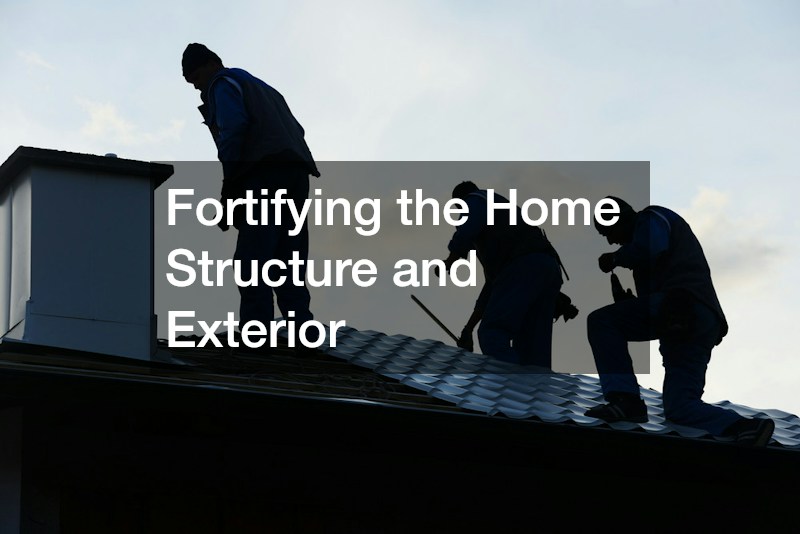
The exterior envelope of your property acts as the primary shield against harsh weather, wind, rain, and snow. Defending this outer shell is essential to preventing costly structural damage and heat loss.
Scheduling a Professional Roof Assessment
Your roof endures the full impact of autumn rainstorms and winter snowfall, making early maintenance vital. Inspecting shingles, flashing, and gutters before the first frost ensures that small vulnerabilities do not turn into major leaks. While homeowners can visually scan for damaged or missing shingles from the ground, hiring qualified local roofers provides a thorough safety assessment and expert repairs. Professional technicians can identify subtle structural issues, clear out heavy debris, and reinforce loose flashing around chimneys and vents, ensuring your shelter remains fully watertight throughout the winter.
Cleaning and Clearing Gutter Systems
Clogged gutters and downspouts represent a major threat to a home’s foundation and roofline during colder months. When autumn leaves, pine needles, and dirt collect in the gutter troughs, they prevent melting snow and rainwater from properly draining away from the property. As temperatures drop, trapped water freezes, creating heavy ice dams that can bend gutters out of shape and cause moisture to back up under roof shingles. Ensure downspouts direct water at least five feet away from the foundation walls to prevent basement flooding and structural cracking.
Sealing Gaps Around Windows and Doors
Drafts around window frames and exterior doors are major contributors to thermal loss in residential homes. Over time, caulk around outer frames dries out, cracks, and pulls away, while door weatherstripping degrades through daily wear and tear. Inspect all exterior seams and apply fresh, exterior-grade silicone or acrylic caulk to fill small gaps. For doors, install sturdy sweepers along the bottom edges and replace worn vinyl weatherstripping along the sides and top jambs to block cold air infiltration.
Inspecting Exterior Walls and Foundation Cracks
Beyond windows and doors, the structural foundation and outer siding require careful scrutiny before sub-zero temperatures arrive. Moisture can seep into hairline cracks in concrete or masonry work; when this water freezes, it expands, turning minor fractures into severe structural vulnerabilities. Walk the perimeter of your house to check brick mortar, wood siding, and foundation joints. Applying specialized masonry sealant or outdoor caulk prevents water entry, preserving structural integrity and blocking unwanted entry points for small pests seeking warmth.
Maintaining Indoor Comfort and Heating Systems
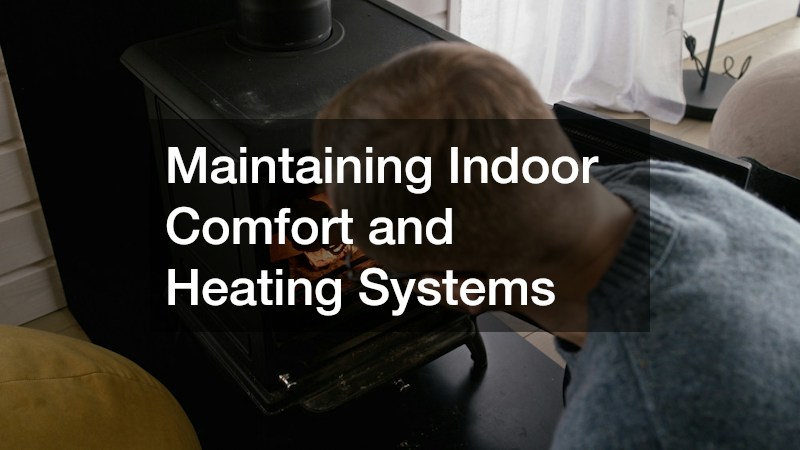
A reliable, high-performing indoor heating system is non-negotiable when autumn temperatures begin to plummet. Ensuring your heating infrastructure is operating at peak performance prevents sudden breakdowns on freezing nights.
Scheduling Comprehensive Furnace Checks
Annual professional maintenance of your primary heating system ensures efficient performance and safe operation. Dust and grime accumulate inside internal components over the off-season, which can impair airflow, reduce system capacity, and create fire hazards. Booking a thorough furnace inspection with a certified technician before peak heating season allows for early detection of worn belts, electrical faults, or dangerous heat exchanger cracks. A well-maintained system operates smoothly, uses less energy, and safely maintains a comfortable indoor environment.
Upgrading Outdated Heating Units
Heating equipment that has reached the end of its typical operating lifespan often becomes inefficient, noisy, and prone to sudden failures during high-demand periods. If your system is over fifteen years old or constantly requires expensive repairs, planning a total furnace replacement before winter arrives is a wise decision. Modern high-efficiency heating models convert a significantly higher percentage of fuel into usable heat, dramatically lowering your monthly energy expenditure while delivering far more consistent warmth throughout every room.
Partnering with Certified Heating Specialists
Complex repairs, electrical wiring, and gas line adjustments should always be handled by experienced professionals. Attempting major do-it-yourself fixes on intricate heating setups can lead to severe safety hazards, including gas leaks and electrical fires. Establishing a relationship with skilled heating contractors ensures that any emergency service, routine tune-up, or full system installation is executed strictly in accordance with local safety codes and manufacturer requirements, giving you total peace of mind.
Temperature Control Modernization
Managing your indoor climate efficiently requires precise, programmable controls that adapt to your daily routine. Manual dial controllers often lead to wasted energy by heating an empty house or running constantly at higher temperatures than necessary. Investing in a professional thermostat installation lets you set automatic schedules, lower heat levels during sleeping hours, and remotely adjust settings via smartphone apps. Modern smart controllers analyze your usage patterns and optimize heating schedules to maximize energy savings without sacrificing comfort.
Optimizing Fireplaces and Chimneys
If your home relies on a wood-burning or gas fireplace for supplemental warmth, winter readiness must include chimney maintenance. Over months of use, creosote—a highly flammable byproduct of burning wood—builds up inside flue liners, posing a serious chimney fire hazard. Hire a certified chimney sweep to remove soot, creosote, and bird nests before lighting your first fire. Ensure the fireplace damper opens and closes smoothly to keep cold air out when the hearth is not in use.
Maximizing Thermal Efficiency and Insulation
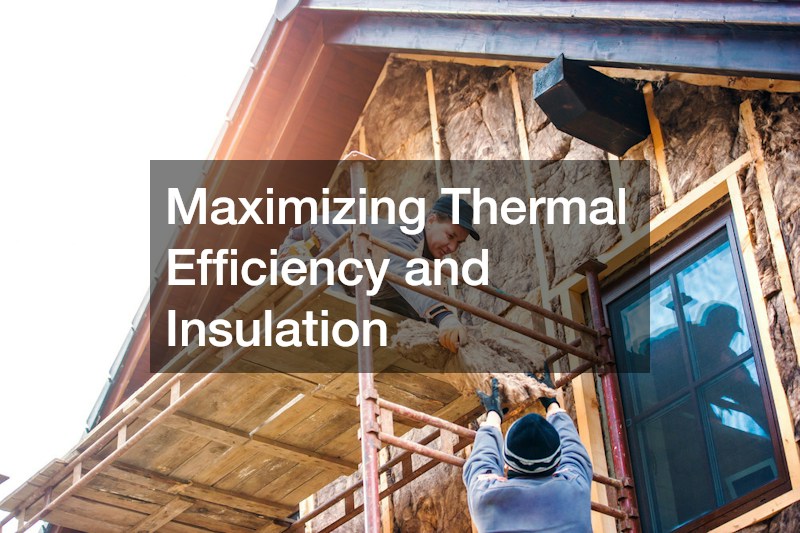
Retaining the heat your furnace generates is just as important as producing it. Proper insulation and airflow management keep warm air trapped inside while reducing workload demand on heating equipment.
Upgrading Attic and Wall Insulation
Inadequate thermal barriers allow vast amounts of expensive indoor heat to escape directly through the attic and exterior walls. Inspecting the depth and condition of your existing attic insulation is one of the most effective ways to boost seasonal energy efficiency. Consulting with professional insulation contractors helps you select the correct insulating materials, such as loose-fill cellulose or dense spray foam, to eliminate cold spots, stabilize room temperatures, and prevent thermal bridging across structural framing.
Balancing Air Circulation and Vent Health
Ensuring proper airflow throughout your living space is vital for balanced heating. Walk through every room in your house to confirm that supply registers and return vents are open, unobstructed by heavy furniture, and free of visible dust accumulation. Keep interior doors slightly propped open to maintain uniform air pressure throughout the home, which prevents the heating system from working harder than necessary to circulate warm air evenly.
Insulating Exposed Interior and Exterior Pipes
Water pipes running through unheated spaces like basements, crawlspaces, attics, and exterior walls are extremely vulnerable to freezing when outdoor temperatures dip below thirty-two degrees Fahrenheit. When water freezes inside a pipe, it expands, creating massive hydraulic pressure that can rupture metal or plastic lines. Wrap exposed pipe lengths in thick foam insulating sleeves or specialized heating tape, paying extra attention to fittings and corners where cold drafts enter.
Utilizing Thermal Window Treatments
Windows remain one of the biggest sources of heat loss, even when fully sealed against drafts. Installing thermal-lined drapes, thick blackout curtains, or honeycomb cellular shades creates an insulating air pocket between the glass panes and your living space. Opening drapes on south-facing windows during sunny autumn days allows natural solar energy to warm your interiors, while closing them at dusk locks that heat inside overnight.
Protecting Plumbing and Water Supplies

Plumbing failures during winter cause severe water damage, structural destruction, and major stress. Proactive water system maintenance protects your home infrastructure from costly freeze events.
Servicing Private Water Systems
For properties dependent on underground aquifers, cold weather brings unique challenges to pump housing, pressure tanks, and outdoor supply lines. Contacting reliable well services guarantees that above-ground mechanical equipment is fully winterized, electrical controls are functioning, and pitless adapters are sealed against frost penetration. Regular servicing keeps your domestic water flowing reliably, preventing catastrophic system freezes during extended cold spells.
Replacing Aging Domestic Water Heaters
Cold incoming municipal or well water places an extra operational burden on domestic hot water equipment during late autumn and winter. An old water heater tank filled with accumulated mineral sediment struggles to heat incoming cold water efficiently, increasing fuel consumption and running the risk of complete tank rupture. Arranging timely water heater replacements eliminates the hazard of sudden tank leaks, restores immediate hot water availability, and improves energy efficiency during high-demand winter months.
Winterizing Outdoor Spigots and Hose Connections
Outdoor plumbing fixtures are often forgotten until the first hard freeze causes catastrophic pipe ruptures. Disconnect, drain, and store all garden hoses, spray nozzles, and irrigation components before sub-freezing weather arrives. Shut off the interior water supply valves leading to outside spigots, then open the exterior hose bibs to drain out any residual water completely. Installing insulated foam covers over exterior faucets adds an extra layer of protection against harsh, freezing winds.
System Readiness and Emergency Planning
Severe autumn and winter weather can bring high winds, freezing rain, and heavy snowfall, leading to unexpected power outages and restricted travel. Preparing your home for utility disruptions keeps your family safe and self-sufficient.
Integrating Backup Power Infrastructure
Grid power disruptions during severe cold snaps can quickly drop indoor home temperatures to dangerous levels, causing frozen pipes and unlivable conditions. Installing Redundant Power Systems, such as whole-home automatic standby generators or high-capacity battery storage banks, ensures that critical appliances remain fully operational. A backup power supply keeps your primary heating equipment, refrigeration, well pumps, and emergency lighting running smoothly throughout extended municipal blackout events.
Servicing Mechanical Systems
Regular mechanical maintenance across all major equipment keeps your household running without interruption. Beyond primary heating components, ensure that sumps, exhaust fans, and electrical panels are inspected and serviced before bad weather hits. Scheduling an autumn HVAC Service ensures that your entire heating, ventilation, and air circulation infrastructure is clean, properly calibrated, and capable of maintaining healthy indoor air quality throughout months of sealed-window living.
Preparing Outdoor Grounds and Landscaping
Fall maintenance must extend into your yard to prevent storm-related property damage. Overhanging tree branches laden with ice or heavy snow can easily snap, taking down power lines or crushing roof structures. Trim dead or diseased limbs near your home, clear patio furniture, and safely store lawn equipment. Turning off underground sprinkler systems and blowing residual water out of irrigation lines with compressed air prevents subterranean pipes from bursting under frozen soil.
Assembling Emergency Winter Supplies
Every household should maintain a fully stocked emergency response kit located in an easily accessible area. Your seasonal kit should contain several days of non-perishable food, bottled drinking water, flashlight batteries, manual can openers, a first-aid kit, and heavy thermal blankets. Ensure that snow shovels, ice scrapers, and bags of eco-friendly, pet-safe ice melt are stored near entryways so you can clear driveways and walkways immediately after a winter storm.
Seasonal Prep Checklist
Use this handy reference checklist to organize your tasks before cold weather sets in.
- Clean roof gutters and direct downspouts away from the foundation.
- Inspect window frames and install fresh weatherstripping on doors.
- Replace air filters in your heating system and clear supply vents.
- Install insulated foam sleeves on all exposed plumbing pipes.
- Disconnect outdoor garden hoses and drain exterior spigots.
- Test smoke detectors, carbon monoxide sensors, and backup power equipment.
- Prepare driveways and walkways with snow removal tools and ice melt.
Preparing Your Sanctuary for Winter
Taking a proactive approach to autumn home maintenance is the absolute best strategy for protecting your property investment, controlling seasonal energy costs, and providing uncompromised comfort for your family. By systematically addressing roof vulnerabilities, servicing heating equipment, improving insulation, and protecting plumbing infrastructure, you create a resilient home ready to withstand harsh weather conditions.
Do not wait for the first hard freeze or winter blizzard to uncover hidden vulnerabilities in your property. Start working through these essential home preparation tasks today, engaging qualified local professionals for complex mechanical, roofing, and electrical tasks. Investing time and attention in your home during the autumn season guarantees warmth, safety, and total peace of mind all winter long.