Preparing Your Home for Reliable Cold-Weather Comfort
Choosing the right system for winter comfort is one of the most important decisions a homeowner can make before temperatures drop. The right equipment can keep every room comfortable, reduce monthly energy costs, and help prevent unexpected breakdowns during the coldest part of the year. The wrong choice, however, can lead to uneven indoor temperatures, high utility bills, frequent service calls, and premature replacement costs.
Every home has different needs. Square footage, insulation, local climate, fuel availability, ductwork condition, and household comfort preferences all play a role in choosing the best option. A small, well-insulated home may need a very different setup than a larger house with older windows, drafty rooms, or limited access to certain fuel sources. Before making a decision, homeowners should understand how different systems work, what maintenance they require, and how each option fits their long-term budget.
This guide breaks down the most important factors to consider so you can make a smart, confident decision before winter weather arrives.
Evaluate the Size and Layout of Your Home
The first step in choosing the right system is understanding how much power your home actually needs. A unit that is too small may run constantly and still fail to keep your home comfortable. A unit that is too large may cycle on and off too frequently, wasting energy and wearing out parts faster than expected. Proper sizing is not just about square footage; it also depends on ceiling height, insulation quality, window placement, air leaks, and the overall layout of the home.
Homeowners should pay close attention to rooms that are consistently colder than others. These problem areas may point to poor insulation, leaky ducts, blocked vents, or an older system that can no longer distribute warmth evenly. Before investing in new equipment, it may be worth improving insulation, sealing gaps around windows and doors, or having ductwork inspected. These smaller upgrades can sometimes improve comfort dramatically and may allow you to choose a more efficient system.
A professional load calculation is one of the best ways to determine the right capacity. This calculation looks at the home as a whole instead of relying on guesswork. It helps ensure that your heating equipment is properly matched to your space, which can improve performance, reduce energy waste, and extend the life of the system. Homeowners who skip this step may end up paying more over time because the system has to work harder than necessary.
Compare System Types Based on Your Climate
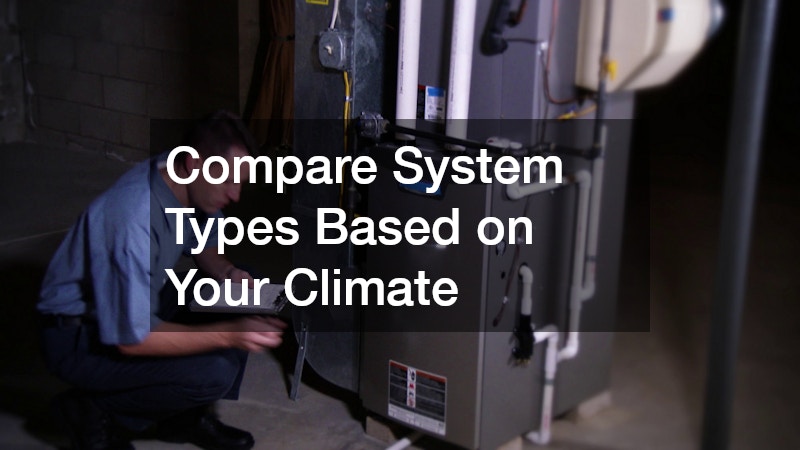
Different systems perform better in different climates. In areas with mild winters, Heat pumps can be a highly efficient option because they move warmth rather than generating it from scratch. They can also provide cooling during warmer months, making them a practical year-round solution for many households. However, performance can vary when temperatures drop significantly, depending on the model and whether backup support is available.
In colder regions, furnaces remain a popular choice because they can deliver strong, consistent warmth during freezing weather. They are available in several fuel types, and many homeowners appreciate their ability to warm a home quickly. However, efficiency levels, installation costs, and fuel availability should all be considered before choosing this option. A high-efficiency furnace may cost more upfront but can reduce utility expenses over time.
Some homeowners use dual-fuel systems that combine an electric unit with a furnace. This setup allows the home to use the most efficient source depending on outdoor conditions. When the weather is mild, the electric system may handle comfort needs efficiently. When temperatures drop sharply, the furnace can take over. For homes in rural areas or places without natural gas access, propane may be a practical fuel choice because it can power reliable equipment even where other options are limited.
Decide Whether Repair or Replacement Makes More Sense
Before replacing an older unit, homeowners should carefully weigh repair costs against replacement value. A minor issue on a newer system may be worth fixing, especially if the equipment has been well maintained. However, repeated problems, rising utility bills, and uneven performance may suggest that replacement is the better long-term investment. A good rule of thumb is to consider the age of the system, the cost of the repair, and how often issues have occurred in recent years.
Frequent furnace repair can become expensive quickly. If repairs are happening every winter, the money spent on short-term fixes could be better applied toward a newer, more efficient system. Older equipment may also lack the energy-saving features found in modern models, which means homeowners could be paying more each month for lower performance. Replacement may feel like a larger upfront expense, but it can provide better reliability and lower operating costs over time.
There are also comfort and safety issues to consider. Strange odors, loud noises, short cycling, poor airflow, and inconsistent temperatures should not be ignored. Some problems may involve worn components, airflow restrictions, or combustion concerns. Homeowners should avoid waiting until the system fails completely during cold weather. Planning ahead allows more time to compare options, review warranties, and choose equipment based on value rather than urgency.
Choose an Energy Source That Fits Your Budget

Fuel availability can strongly influence which system makes the most sense for your home. In some neighborhoods, natural gas may be readily available and affordable. In others, homeowners may need to consider electric systems, home heating oil, or other fuel options. The best choice depends on local energy prices, delivery availability, equipment efficiency, and how much warmth the home requires during winter.
Oil-based systems can produce strong warmth, which is one reason some homeowners continue using them in colder climates. However, they require fuel storage, scheduled deliveries, and regular maintenance. Prices can also fluctuate, making budgeting more difficult in some seasons. Homeowners considering this option should factor in not only the cost of the fuel but also the maintenance requirements and the condition of any existing storage tank.
A qualified heating contractor can help compare fuel choices based on your home’s layout, existing equipment, and local energy costs. This is especially important if you are switching from one fuel type to another. Changing fuel sources may require new equipment, updated connections, storage adjustments, or ventilation changes. A professional evaluation can help you understand the full cost of ownership instead of focusing only on the initial installation price.
Schedule Maintenance Before the First Cold Snap
Preventive maintenance is one of the simplest ways to keep your system reliable throughout winter. Many homeowners wait until something goes wrong before scheduling service, but that approach can lead to emergency appointments, higher costs, and uncomfortable indoor conditions. A preseason inspection allows a technician to identify worn parts, airflow issues, dirty components, or performance problems before the system is under heavy demand.
For homes that rely on electric transfer systems, regular heat pump service is especially important. A technician can inspect refrigerant levels, clean coils, check electrical components, test controls, and confirm that the system is switching modes properly. When these tasks are performed consistently, the system can operate more efficiently and may last longer. Neglecting maintenance can reduce performance and increase the risk of breakdowns during extreme weather.
Professional Heating services can also include safety checks, thermostat calibration, filter replacement, duct inspections, and efficiency testing. These details may seem small, but they can make a noticeable difference in comfort and energy use. Homeowners should also perform simple tasks between appointments, such as replacing filters regularly, keeping vents clear, and making sure outdoor units are free of debris, snow, or ice buildup.
Improve Efficiency With Smart Home Upgrades
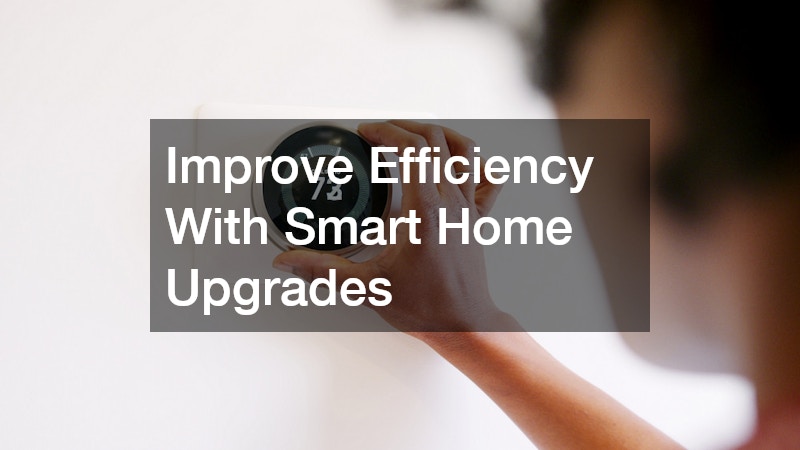
The equipment itself is only one part of winter comfort. Even a high-quality system can struggle if the home loses warmth too quickly or if air distribution is poor. Smart thermostats, zoning controls, sealed ducts, and improved insulation can all help a system perform better. These upgrades can reduce energy waste while giving homeowners more control over comfort in different areas of the house.
Smart thermostats are especially useful for households with changing schedules. They can automatically adjust temperatures when people are asleep, away from home, or returning for the day. Over time, these adjustments may reduce energy use without sacrificing comfort. Some models also provide energy reports, maintenance reminders, and remote access through mobile apps, making it easier to monitor system performance.
Professional HVAC services can help identify hidden problems that reduce efficiency. Leaky ducts, restricted airflow, aging thermostats, and poor ventilation can all make a system work harder than necessary. A technician can evaluate the full comfort system instead of looking only at the main unit. This broader approach helps homeowners prioritize upgrades that provide the greatest benefit, whether that means sealing ducts, improving filtration, adjusting airflow, or replacing outdated components.
Select the Right Installation Team
The quality of installation has a major impact on system performance. Even the best equipment can fail to deliver expected results if it is installed incorrectly. Poor installation can cause airflow problems, short cycling, higher energy bills, premature wear, and reduced comfort. That is why choosing the right professional is just as important as selecting the right equipment.
When comparing estimates, homeowners should look beyond the lowest price. A trustworthy furnace installation company should provide a detailed proposal that explains the equipment, efficiency rating, warranty coverage, labor scope, and any additional work required. Vague estimates can lead to surprise costs later. A clear proposal helps you compare options fairly and understand exactly what is included.
Homeowners should also verify licensing, insurance, experience, and customer reviews. Ask whether the company performs load calculations, inspects ductwork, explains warranty details, and offers ongoing maintenance plans. A reliable installer should be willing to answer questions and explain why a specific system is recommended. Good communication is often a sign that the company will provide better support after the installation is complete.
Make Comfort and Air Quality Part of the Decision

Winter comfort is about more than temperature alone. Indoor air quality, humidity, airflow, and noise levels can all affect how comfortable your home feels. Dry indoor air can make a home feel colder than it actually is, while poor airflow can create hot and cold spots. Dust, allergens, and stale air may also become more noticeable when windows remain closed for long periods.
When choosing a system, consider whether your home would benefit from air filtration, humidification, ventilation improvements, or zoning. These add-ons may improve comfort and make the system more effective. For example, a whole-home humidifier can help maintain better moisture levels, while upgraded filters can capture more airborne particles. Zoning can allow different areas of the house to be controlled separately, which is useful for larger homes or households with different comfort preferences.
Noise is another factor homeowners sometimes overlook. Some systems are quieter than others, and placement can affect how much sound you hear indoors. If the unit will be located near bedrooms, living areas, or home offices, ask about sound ratings and installation strategies that reduce vibration or operational noise.
Bringing It All Together Before Winter Arrives
The best system for your home is the one that balances comfort, efficiency, reliability, and long-term value. Instead of choosing based only on price or replacing old equipment with the same type automatically, take time to evaluate your home’s size, insulation, climate, fuel access, and comfort goals. A thoughtful decision can help you avoid unnecessary expenses and improve daily comfort throughout the coldest months.
Planning ahead also gives you more control. You can compare options carefully, schedule professional evaluations before peak season, and make upgrades before the weather puts extra strain on your equipment. This approach reduces the risk of rushed decisions and helps ensure your home is ready when temperatures fall.
By understanding your options and working with qualified professionals, you can choose a system that supports your household’s needs for years to come. A well-planned investment does more than keep your home warm in winter. It can also improve efficiency, reduce stress, and create a more comfortable living environment season after season.