Every year, the transition from late autumn to the first true freeze follows a deceptively predictable script. The leaves turn from vibrant oranges to muted browns, the morning air develops a sharp, noticeable bite, and the weekends seem to shrink as daylight wanes. For many homeowners, this seasonal shift is a time for fireside evenings and hot drinks. However, beneath the surface of this cozy transition lies a ticking clock. The first hard freeze of the year is not merely a meteorological milestone; it is an unforgiving structural stress test for your entire property.
When water freezes, it expands by roughly nine percent, exerting immense physical pressure on whatever material happens to contain it. A hairline fracture in a driveway, a clogged rain gutter, an uninsulated pipe in a crawlspace, or a worn piece of weatherstripping might seem entirely benign during a mild October afternoon. Yet, once the thermometer drops below thirty-two degrees Fahrenheit, these minor imperfections become primary failure points. The resulting damage—ranging from collapsed ceilings due to ice dams to flooded basements from ruptured water lines—is almost always expensive, stressful, and entirely preventable.
The true cost of delaying your winter preparation is rarely just the price of the repair itself. It is the premium you pay for emergency assistance in the middle of a blizzard, the weeks spent waiting for contractors who are backed up with hundreds of identical emergency calls, and the lingering structural degradation that occurs when water invades your home’s envelope. Taking a proactive approach to autumn maintenance is not about seeking perfection; it is about building a resilient barrier around your largest financial investment. By systematically addressing vulnerabilities before the ground hardens and the temperature plummets, you can ensure that your home remains a safe, warm, and highly efficient sanctuary all winter long.
Clearing Gutters and Inspecting the Roof for Hidden Vulnerabilities
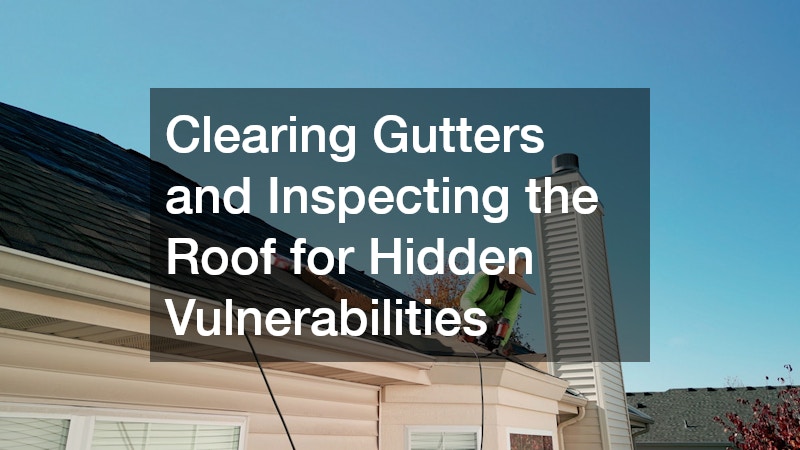
The roof is your property’s first line of defense against the elements, bearing the brunt of autumn rain, heavy winter snow, and relentless wind. Before the first snowfall locks everything in place, you must execute a meticulous visual assessment of this critical barrier. Start by safely positioning a sturdy ladder to inspect the shingles, paying close attention to the valleys where different roof planes meet, as well as the flashing around chimneys, skylights, and vent pipes. Look for shingles that are buckling, curling at the edges, or missing entirely. If your roof features asphalt shingles, check your gutters for an accumulation of dark, sandy granules, which indicates that the protective coating is wearing thin and leaving the underlying material exposed to severe weather.
Gutters and downspouts require total clarity to function during a winter thaw. Throughout the fall, leaves, twigs, and organic debris collect in these channels, forming a dense, water-retaining sludge. When winter arrives, this trapped water freezes into solid blocks of ice, creating a phenomenon known as ice damming. As snow melts off the upper portions of your roof, the water runs down to the eaves, hits the frozen gutter, and backs up underneath the shingles. From there, it seeps directly into your attic, ruining insulation, rotting roof decking, and causing unsightly drywall stains on your interior ceilings.
Addressing these vulnerabilities requires a clear understanding of your own DIY limits. While homeowners can easily clean out gutters with a trowel and a garden hose, structural anomalies demand expert intervention. If you notice wide gaps between your flashing and the chimney, or if you spot soft, spongy spots on the roof deck while inspecting the exterior, you are likely looking at a situation that requires professional roof repair to prevent imminent internal leaking. For older properties or roofs that have endured severe summer hail, a comprehensive evaluation might reveal that extensive roof repairs are necessary to restore structural integrity before the weight of heavy winter snow loads puts the entire home at risk.
Sealing Asphalt and Repairing Perimeter Structures

Moving from the roof down to the ground, the focus shifts to the hardscaping and boundaries that define your property lines. Your driveway and walkways endure massive physical stress during a freeze-thaw cycle. When rain or melting snow seeps into small cracks in asphalt or concrete and subsequently freezes, the expanding ice forces the cracks wider. Over the course of a single winter, a series of minor fissures can easily transform into deep, destructive potholes that ruin tires and create severe tripping hazards for your family.
-
Clean the Surface Thoroughly: Begin by sweeping away all dirt, leaves, and debris. Use a pressure washer or a stiff-bristle brush with a specialized degreaser to remove stubborn oil stains, as sealant will not adhere to oily surfaces.
-
Clear and Fill Small Fissures: Use a screwdriver or wire brush to scratch out any weeds, dirt, or loose debris hidden inside the cracks. Apply a high-quality rubberized cold-pour crack filler to any openings that are less than a half-inch wide, smoothing it flat with a putty knife.
-
Apply a Protective Coating: Once the repairs have cured, applying a fresh layer of protection across the entire surface is the best way to block moisture entry. Booking a professional sealcoating service ensures an even, durable application that locks out water and preserves the underlying pavement for years to come.
-
Inspect All Gates and Latches: Walk the perimeter of your yard to test every gate. Lubricate hinges with a rust-resistant silicone spray and adjust latches to ensure they close securely, preventing strong winter winds from catching the gates and ripping them off their mounts.
-
Check Posts for Structural Integrity: Give each perimeter post a firm shake. If you notice significant wobble or rot near the ground level, contact a professional fencing company to reinforce or replace the failing structural supports before the earth freezes solid and makes excavation impossible.
Preparing the Landscape and Coordinating Snow Removal Plans
As autumn draws to a close, my own routine always involves a quiet afternoon spent walking the yard, looking at the property through the lens of impending winter weather. A few years ago, I neglected to trim a dead, heavy limb on an old oak tree near my driveway, thinking it could wait until spring. The weight of the season’s first wet, heavy snow proved me wrong, snapping the branch and sending it crashing down within inches of my vehicle. That experience taught me that landscape winterization is not merely an aesthetic choice; it is an act of proactive hazard mitigation.
The living elements of your property require deliberate care to survive the dormant season and bounce back successfully in the spring. Start by giving your lawn a final, shorter mow to prevent the grass from matting down under the snow, which creates a perfect breeding ground for snow mold. Clear away fallen leaves from the turf, as a dense layer of wet foliage suffocates the grass and blocks vital sunlight. For your trees and large shrubs, inspect the canopy for dead, diseased, or structurally weak branches that could easily snap under the weight of ice or during a high-wind winter storm.
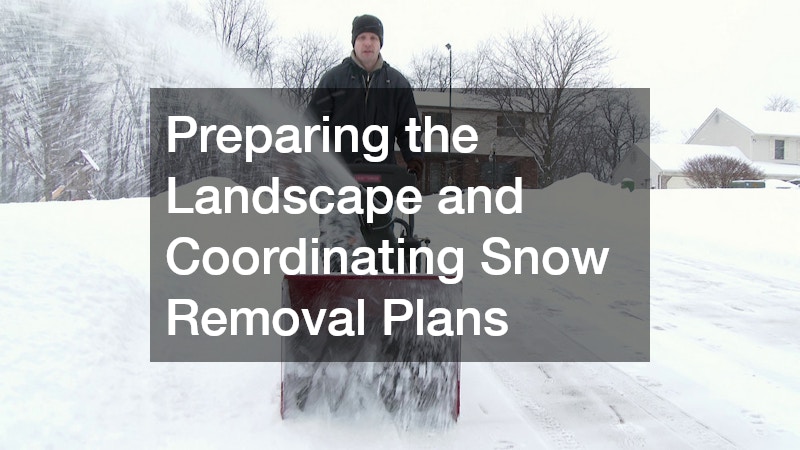
For large yards or properties with mature trees, managing this extensive preparation can quickly become overwhelming for a single homeowner. In these cases, delegating the heavy lifting to a professional local landscaping crew can ensure that your gardens are properly mulched, your irrigation lines are blown out with compressed air, and your trees are pruned safely. Simultaneously, you must look ahead to how you will manage the physical reality of winter precipitation once it arrives on your driveways and walkways. Instead of scrambling to buy a shovel or fix a broken snowblower during the first major blizzard of the season, it is incredibly wise to secure a dependable snow plow operator well in advance, guaranteeing that your property remains accessible and safe no matter how much accumulation occurs overnight.
Servicing the Heating System and Sealing Massive Draft Points

A home’s ability to maintain a stable, comfortable indoor temperature during a brutal cold snap depends entirely on a classic problem-solution dynamic: your heating system must generate warmth efficiently, and your home’s structural envelope must prevent that warmth from escaping. When either side of this equation fails, utility bills skyrocket, mechanical systems are pushed to their breaking points, and indoor comfort plummets. Addressing these two areas in tandem before the first freeze is the most effective way to guarantee an efficient, worry-free winter.
The most logical starting point for interior winterization is your central heating equipment. Homeowners should always test their furnace or heating unit well ahead of time to avoid sudden system failures in freezing weather, checking for common culprits like clogged filters, faulty igniters, or cracked heat exchangers. Before you need to rely on the system for constant warmth, switch your thermostat to the heating mode and listen carefully for any unusual rattling, clicking, or whining noises. Change out your standard air filter for a fresh, high-efficiency version to ensure unrestricted airflow and optimal indoor air quality. Because a catastrophic heating failure in the dead of winter constitutes a genuine household emergency, investing in an annual safety check and precision tune-up by a certified HVAC company is the best way to identify worn components before they trigger a system shutdown.
Once you have verified that your heat source is operating perfectly, you must turn your attention to the large openings where that expensive warm air can easily leak out. While standard windows and entry doors are common culprits for drafts, the single largest source of heat loss in many homes is the garage. A poorly sealed garage acts like a giant vacuum, pulling freezing air into the structure and chilling the rooms adjacent to or directly above it. Worn bottom seals and warped tracks can allow massive amounts of cold air to infiltrate the lower levels of the home. Walk inside your garage, close the main doors, and look for light leaking through the edges. If you can see daylight or feel a distinct draft, it is time to service your overhead garage doors by replacing brittle bottom rubber seals and tightening loose hardware to create a tight, insulating barrier against the elements.
Preventing Frozen Pipes and Ensuring Appliance Reliability
The final phase of your pre-freeze preparation takes place deep within the infrastructure of your home, focusing on the hidden plumbing lines and the major mechanical appliances that sustain daily household life. There are few domestic disasters more jarring than waking up to the sound of rushing water, only to discover that a water line in an unheated crawlspace has split wide open due to freezing temperatures. Preventing this nightmare scenario requires a methodical, room-by-room audit of your plumbing system before the thermometer hits the freezing mark.
Begin on the outside of your home by disconnecting every garden hose from its exterior spigot. If you leave a hose attached, water remains trapped inside the faucet assembly; when that water freezes, it expands directly into the pipe inside your wall, causing a rupture that won’t reveal itself until you turn the water back on in the spring. Once the hoses are put away, close the interior shut-off valves for your outdoor spigots and open the exterior taps to drain out any residual water. Indoors, locate any water lines running through uninsulated areas such as attics, basements, or crawlspaces. Wrap these pipes in high-density foam sleeves or specialized electrical heat tape to provide an extra layer of thermal protection against sub-zero drafts.
If you notice that certain drains are sluggish or backing up during the mild days of October, do not ignore them. A slow drain means standing water is sitting in your pipes, making it highly susceptible to freezing solid when temperatures plunge; contacting a licensed plumber to clear these blockages early can save you from a massive winter backup. While you are addressing the home’s infrastructure, take the time to evaluate your kitchen and laundry appliances, which face increased workloads during the winter months when families spend more time indoors. Vacuum the dust from your refrigerator’s condenser coils so it doesn’t have to work double-time in a heated kitchen, check your oven door gasket to ensure it retains heat efficiently, and clear out the lint exhaust line on your clothes dryer. If any major unit is showing signs of distress—such as a washing machine that vibrates excessively or a dishwasher that fails to heat properly—scheduling prompt local appliance repairs will prevent an inconvenient breakdown during the busy holiday season.
Embracing the Peace of Mind That Timely Preparation Brings
When you look at the entire process of winterizing a property, the sheer volume of tasks can initially feel daunting. However, when broken down into manageable weekend projects, the transition from autumn to winter becomes an orderly, satisfying ritual. The effort you invest in October and November pays massive dividends throughout January and February. Instead of spending your winter weekends managing stressful emergencies, dealing with unexpected financial strains, or shivering through a heating outage, you can relax in a home that is secure, efficient, and fully prepared for whatever weather lies ahead. Take the first step this weekend: walk the perimeter of your home with a notepad, sketch out your priority list, and make those crucial phone calls to trusted professionals before the first frost arrives. Your home, your family, and your budget will thank you.